Hurricane-Resistant Roofing & Storm Damage Repair in Greenville and Eastern NC
Two different jobs, one roofer: building roofs that stand up to the storm before it comes — and repairing the damage fast when one gets through
Which Side of the Storm Are You On?
People land on this page from two very different situations. Some are planning ahead — they want a roof built so the next hurricane is an inconvenience instead of a catastrophe. Others are standing in a wet living room in Greenville after a storm, and planning ahead is a luxury for later. This page serves both, in that order — skip to the half you need.
Before the storm
How a hurricane-resistant roof is actually built — the sealed deck, the fastening, the edges — and where to read the full standard.
After the storm
Emergency tarping, drying out the deck, matching your shingles after a partial loss, and working through the insurance claim honestly.
Part One: Building a Roof That Resists Hurricanes
Hurricane wind doesn't push a roof down — it pulls it up, in gusts, for hours. And the rain doesn't fall on the roof; it drives into it sideways. Every part of hurricane-resistant construction answers one of those two attacks, and none of it is exotic. It is ordinary roofing done to a deliberately higher standard, at the moments when the roof is open and the upgrades are cheap.
A sealed roof deck
The plywood or OSB under your shingles becomes a water barrier in its own right — seams taped or the deck covered with self-adhering membrane. If a storm strips the covering, the house underneath stays dry instead of taking rain straight through the sheathing joints. This one detail is the difference between replacing shingles and gutting ceilings.
Ring-shank deck fastening
Smooth nails back out a fraction at a time under cyclic uplift — gust after gust working them like a claw hammer in slow motion. Ring-shank nails have to tear wood fiber to move. Denser fastening in ring-shank keeps whole sheets of decking on the house, which is the failure that turns a bad day into a demolition.
Edges locked down
Nearly every wind failure starts at an eave, rake or corner — wind can't get under a continuous surface, so it hunts for a lip. Wider drip edge, fully adhered starter courses and enhanced perimeter fastening deny the storm its first handhold. Dollar for dollar, the edge work earns more than anything else on the roof.
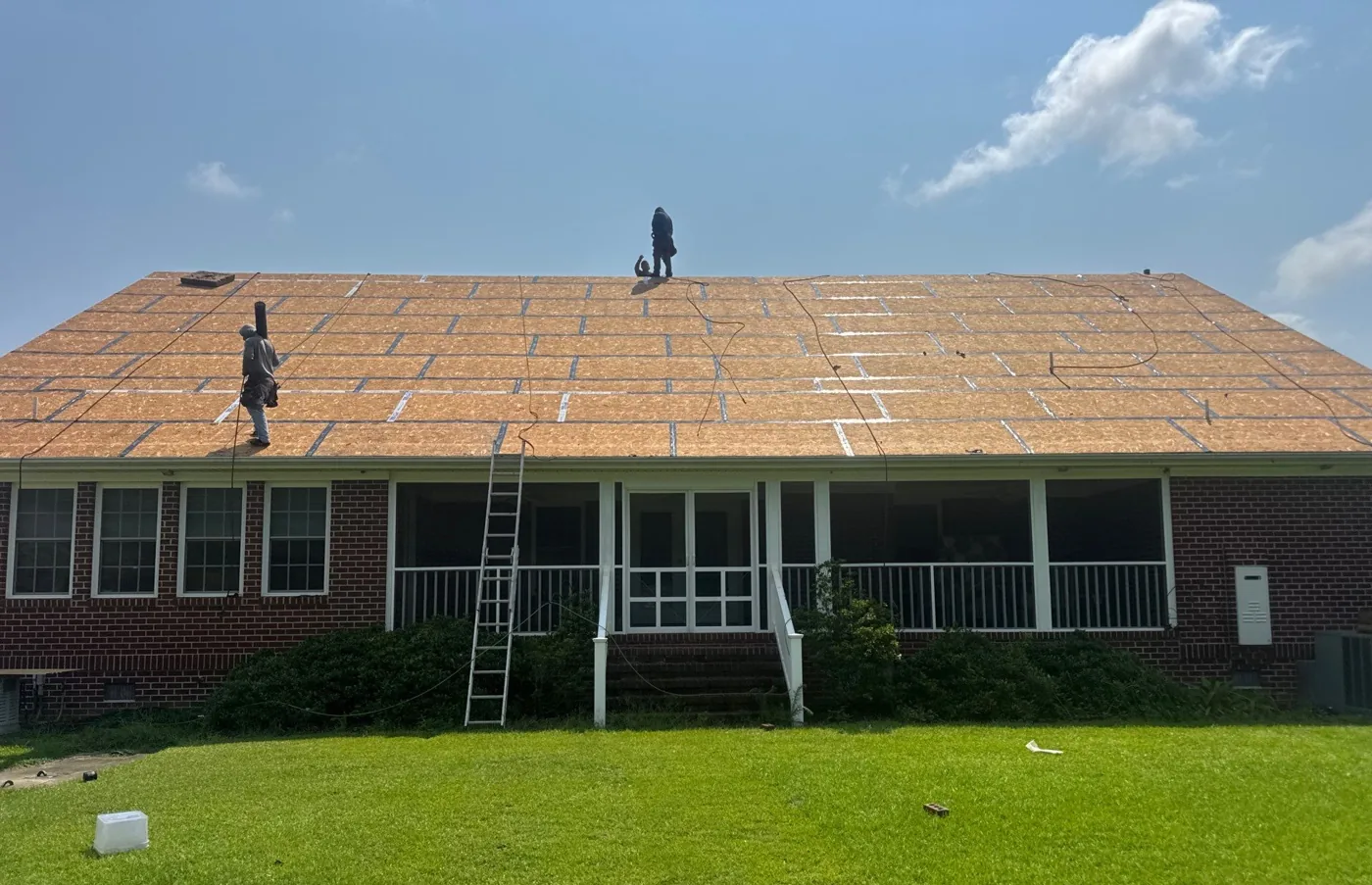
On top of that foundation go coverings and vents that carry real wind ratings — asphalt shingles at the highest wind classes, or metal roofing, whose interlocked panels give hurricane wind far fewer edges to grab — and attic vents tested against wind-driven rain, because a storm will happily flood an attic through an ordinary vent while the shingles above survive untouched.
If you want the full build standard — what the FORTIFIED program requires layer by layer, how the independent verification works, and what it realistically adds to a re-roof — our FORTIFIED roofing page covers it in depth. This page's job is the summary; that page's job is the whole story.
Planning solar as well? Storm-hardening and panel readiness are best designed together — see solar-ready roofing.
Part Two: Repairing Hurricane Damage — Fast, and in the Right Order
When a storm gets through, the order of operations matters more than anything else, because water damage compounds by the hour. Here is how we run a storm call, from the first phone ring to the last shingle.
Emergency tarping — stop the water first
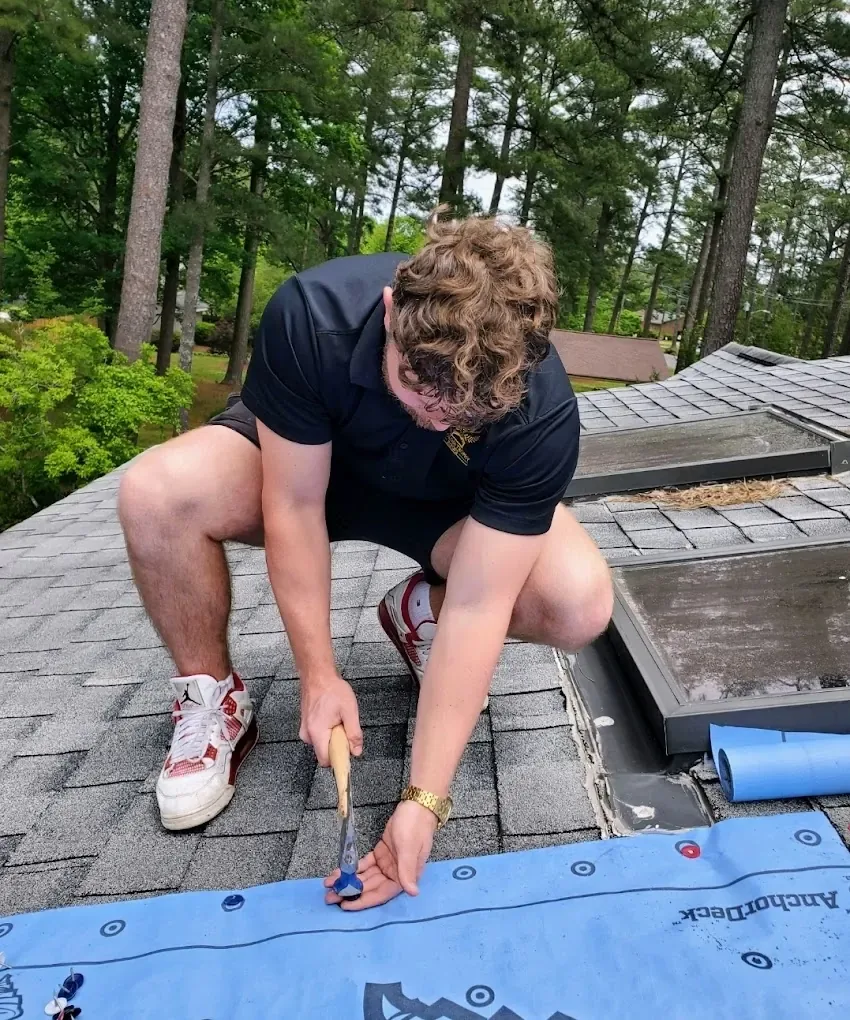
A properly installed tarp is not a blue rectangle thrown over the ridge; it is anchored, lapped and routed so water sheds off the roof instead of pooling into it. Getting this done quickly is the single highest-value hour in the whole recovery, because everything water touches after the storm is damage the storm didn't have to cause. Stay off the roof yourself — that risk is our job, not yours.
Assess and document — before repairs erase the evidence
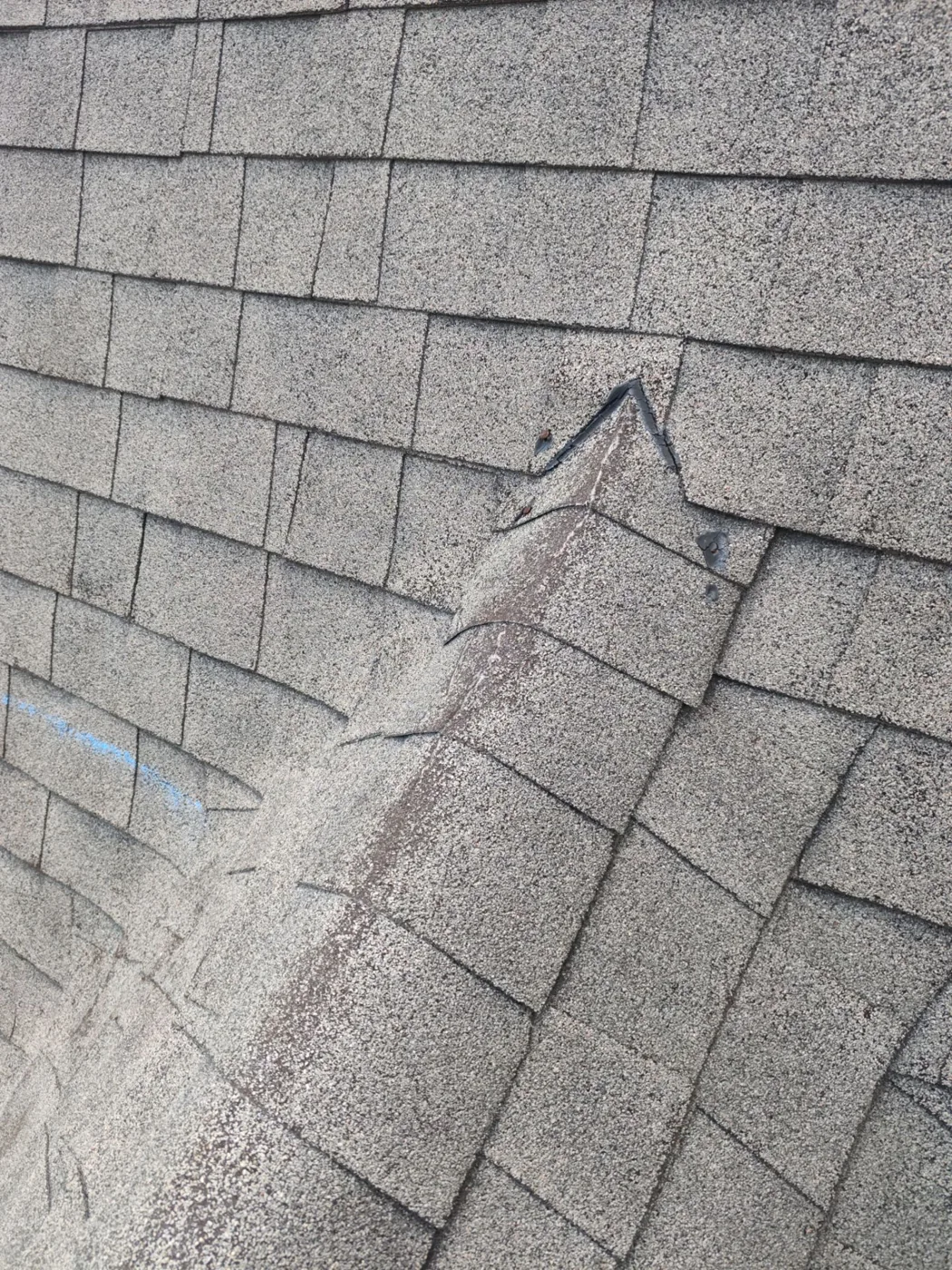
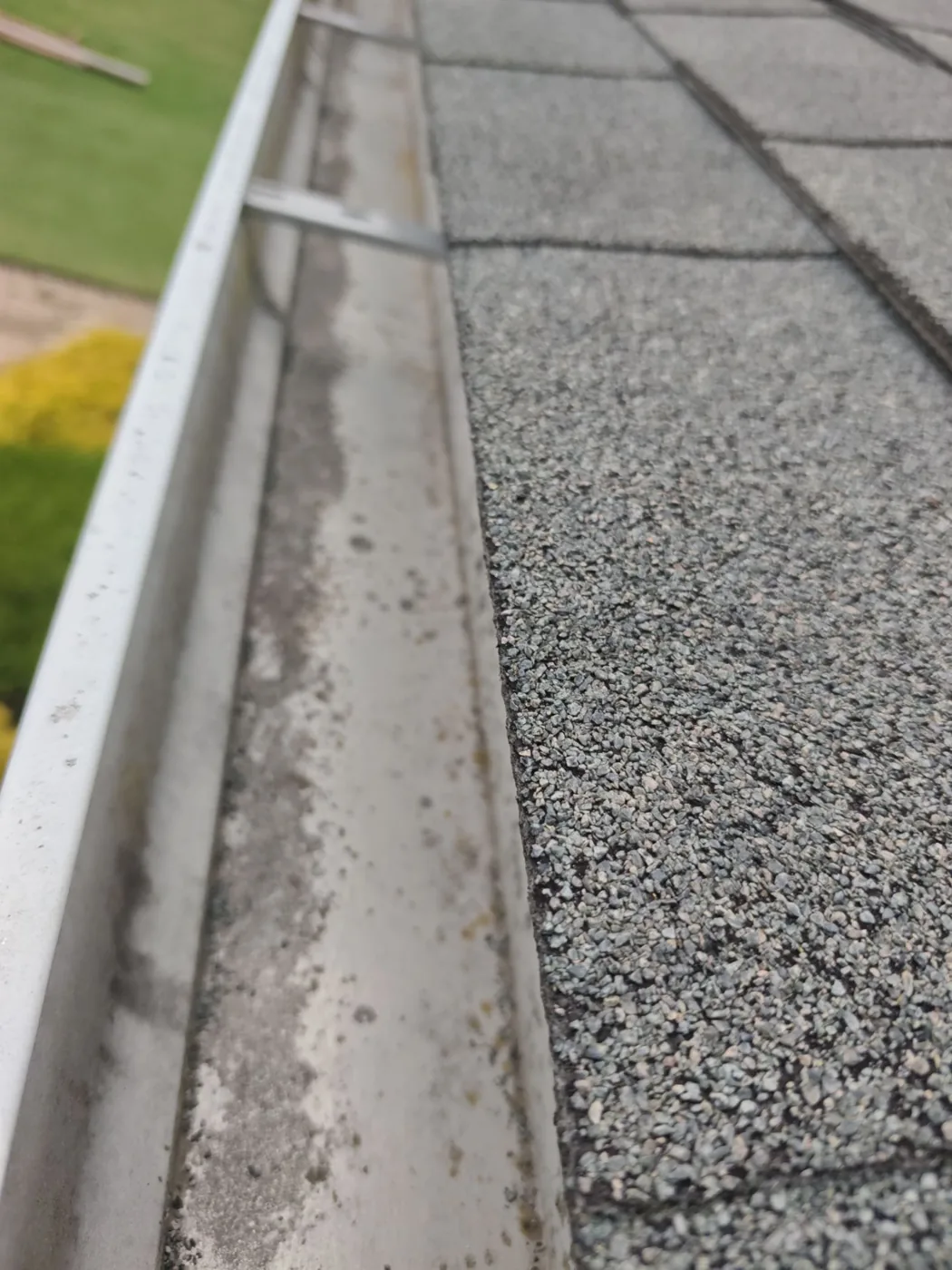
We photograph and write up everything we find: creased and fractured shingles, granule loss, exposed decking, flashing pulled loose, water paths into the attic. Storm damage isn't always obvious from the ground — a wind crease can leave a shingle looking sealed while its mat is broken and no longer sheds water reliably. That documentation belongs to you, and it becomes the backbone of any insurance claim you choose to file.
Dry out the deck — never build over wet wood
Sheathing that has taken on water needs to dry — or come out — before anything permanent goes over it. Sealing moisture under new roofing trades a visible problem for an invisible one: rot, delaminated decking, and mold working in the dark. We check moisture, replace what's compromised, and only then close the roof back up. It can add a day; it saves the roof.
Match and repair — or replace, when that's the honest answer
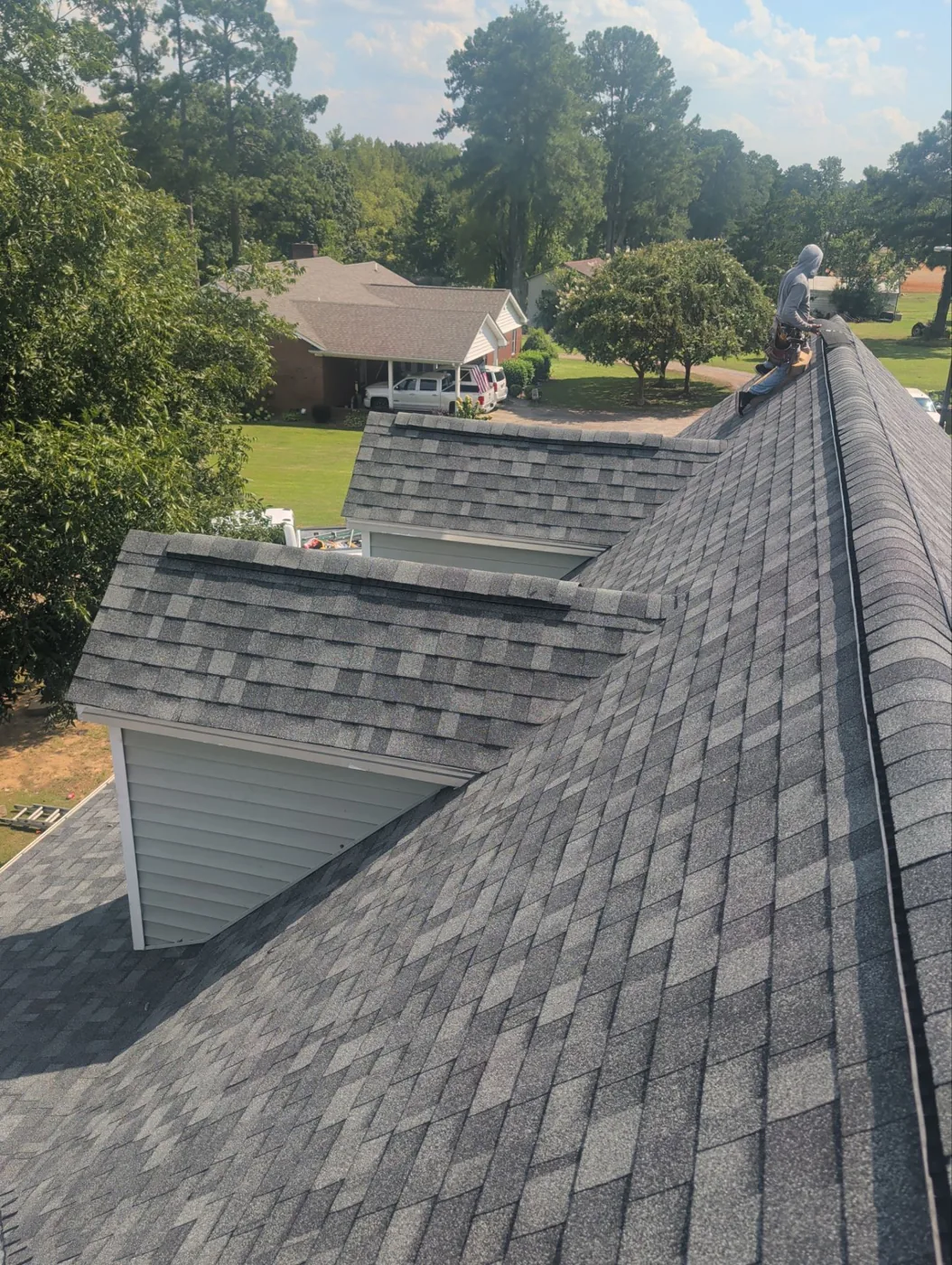
After a partial loss, we source the closest available match to your existing shingles — by profile and by color, checked in daylight against the weathered roof, not against a brochure. Exact matches aren't always possible with discontinued colors, and weathering shifts even a perfect product match. When patching would leave a checkerboard, replacing a full slope is often the better outcome, and if the roof is coming off anyway, that is the moment the resist-the-next-one upgrades from Part One cost the least.
Working With Your Insurance Claim — Without the Games
Storm work attracts a style of contractor we want no part of: the door-knocker who promises your claim will be approved, or offers to "take care of" your deductible. Let's be plain about both. No roofer decides what your policy covers — your insurer does, based on your policy and the documented damage. And your deductible is yours to pay under that policy; a contractor offering to waive or absorb it is inviting you into insurance fraud, with your name on the claim.
What an honest roofer contributes is evidence and workmanship. We prepare the photographs, measurements and written scope before repairs disturb anything; we'll meet your adjuster on site so the roof questions get answered from the roof, not the driveway; and when the claim settles, we do the work to the standard we'd want over our own families. If your claim is complex or you disagree with the outcome, there's an independent professional whose actual job is representing policyholders — our guide on when you need a public adjuster explains who they are and when hiring one makes sense.
Plainly: we don't promise claim outcomes, we don't inflate scopes, and we never touch your deductible. What we promise is documentation your insurer can't wave away and a repair that outlasts the argument.
Greenville, the Coastal Plain, and Down East
Our storm crews work out of Rocky Mount and cover the whole coastal plain — Greenville and Pitt County day in and day out, and on down through Washington, New Bern and the communities toward the sounds, where hurricanes arrive first and leave the most behind. Being from here matters twice in storm work: we know how these roofs are built because we build them, and we're still at the same address when the next season comes around.
Hurricane Roofing & Storm Repair: Frequently Asked Questions
Before the Storm or After It — Call the Same Number
Storm damage right now? Call and we'll triage it honestly. Planning ahead? Book a free assessment and we'll walk the roof, show you where it's vulnerable, and price the fixes in writing.