Best match
Standing seam metal
Panels mount with S-5! style clamps directly to the seams — no roof penetrations — and a well-installed standing seam roof can outlast the panels. The strongest wind performance of the three once the array is on.
Roof firstThen panels
Build your roof right the first time. Solar panels are meant to stay put for decades, so the roof under them has to be sound, planned for the mounts and young enough to last as long as the array. Carolina Trophy Roofs builds solar-ready roofs — reinforced where the panels will mount, waterproofed at every mount location, with conduit pre-routed — and works with your solar installer so the two jobs fit together.
Solar installers are experts in panels, inverters and wiring. The roof they bolt to is usually whatever the house already has. When that roof is ten or fifteen years into a shingle’s life, the array will outlast it — and replacing a roof under solar means paying to have the panels taken down, stored and reinstalled, on top of the new roof.
Mounting through a roof that was not planned for it creates the other set of problems: lag bolts that miss the rafters, mounts that are sealed with caulk instead of flashed into the roof, soft decking under a mount, and leaks that are hard to reach once a panel sits over them. Most solar-related roof leaks trace back to one of those.
A solar-ready roof removes both problems. The roof is new when the array goes on, the decking under the mount zones is sound and reinforced, the waterproofing at the mounts is built into the roof, and the installer arrives with a plan instead of a guess.
Already have a solar quote? Get the roof inspected before you sign it. If the roof should be replaced first, it is far cheaper to learn that now.
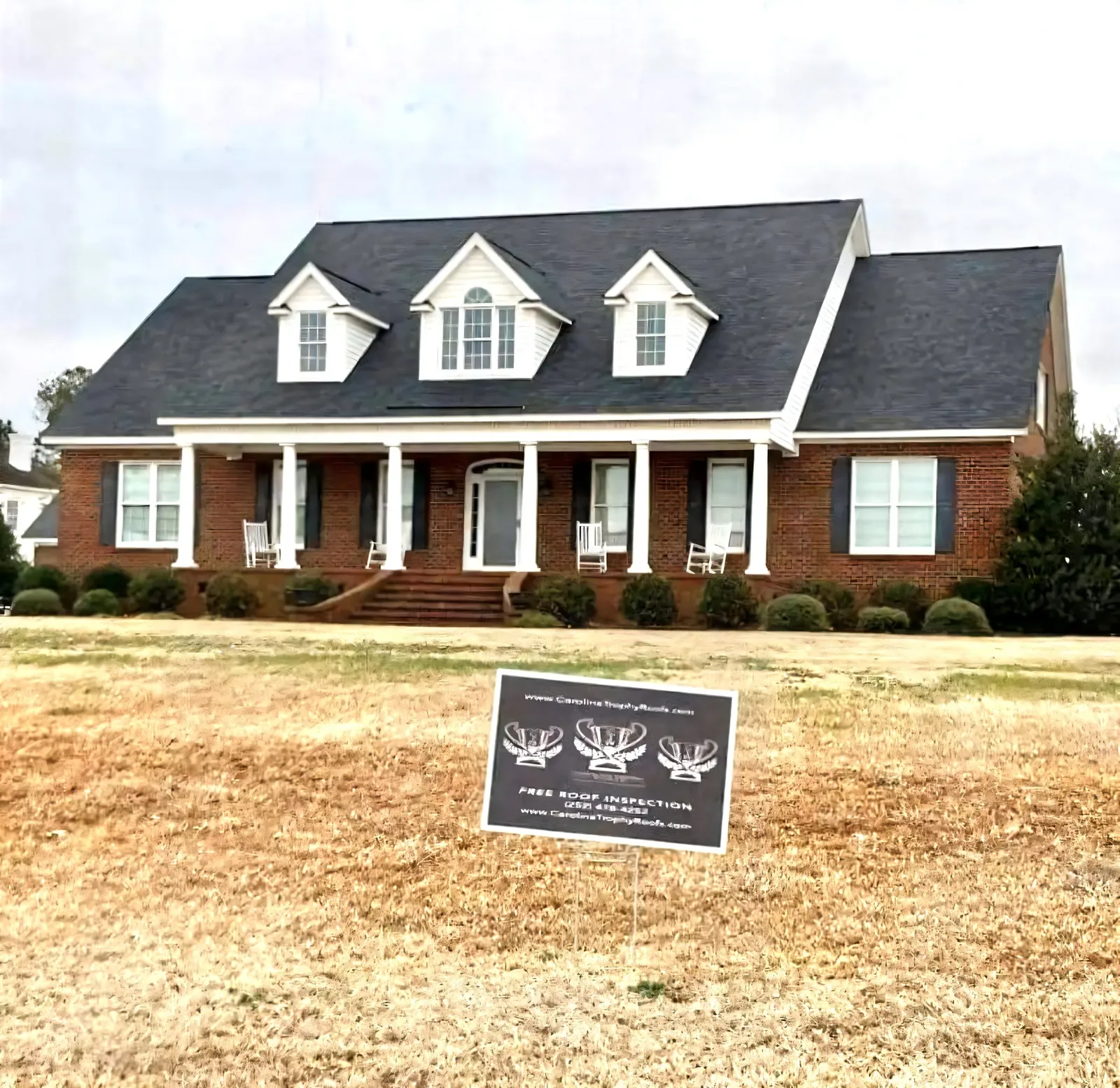
The shingles or metal look the same from the street. The differences are underneath and in the planning.
Best match
Panels mount with S-5! style clamps directly to the seams — no roof penetrations — and a well-installed standing seam roof can outlast the panels. The strongest wind performance of the three once the array is on.
Most common
Standard solar racking works well on quality architectural shingles when every lag bolt goes into framing and every mount is flashed into the roof. The key is age: the shingles need to outlast the array, which usually means installing panels on a new or nearly new roof.
Commercial
Ballasted or mechanically attached racking tilts panels to the best angle regardless of roof slope, with walkways for maintenance. The membrane under the array has to be in good condition first, because working on a roof under panels is slow and expensive.
Orientation and shade matter as much as material. South-facing slopes with little shade produce the most; east- and west-facing slopes produce less, and tall pines — common across Eastern North Carolina — can cut output badly. Part of our assessment is telling you which planes of your roof are worth covering.
Wind. Panels add surfaces for wind to work on, and this is hurricane country. A roof built to the FORTIFIED Roof standard, with a sealed deck and stronger edge details, is a good base for an array; our hurricane-resistant roofing page covers the rest.
Comparing metal and shingles? See metal roof installation and the roofing costs FAQ.
We evaluate your roof’s age and condition, orientation, slope, shading and structural capacity, and the path to the electrical panel, using satellite imagery and an on-site inspection. You find out whether the roof is ready for panels now or should be replaced first.
A structural engineer confirms the roof framing can carry both the roofing and the future solar load — commonly in the range of 3 to 5 pounds per square foot for panels and racking — and we reinforce any areas that need additional capacity.
The roof goes on with solar-compatible materials, reinforced decking at the designated panel zones, self-adhering underlayment at the mount locations, and conduit pre-routed from the attic to the electrical panel location.
You get a documentation package for the solar installer — structural specifications, mount zone locations, conduit routing and warranty details — and we coordinate directly with your chosen installer so the panels go onto the roof the way it was planned.
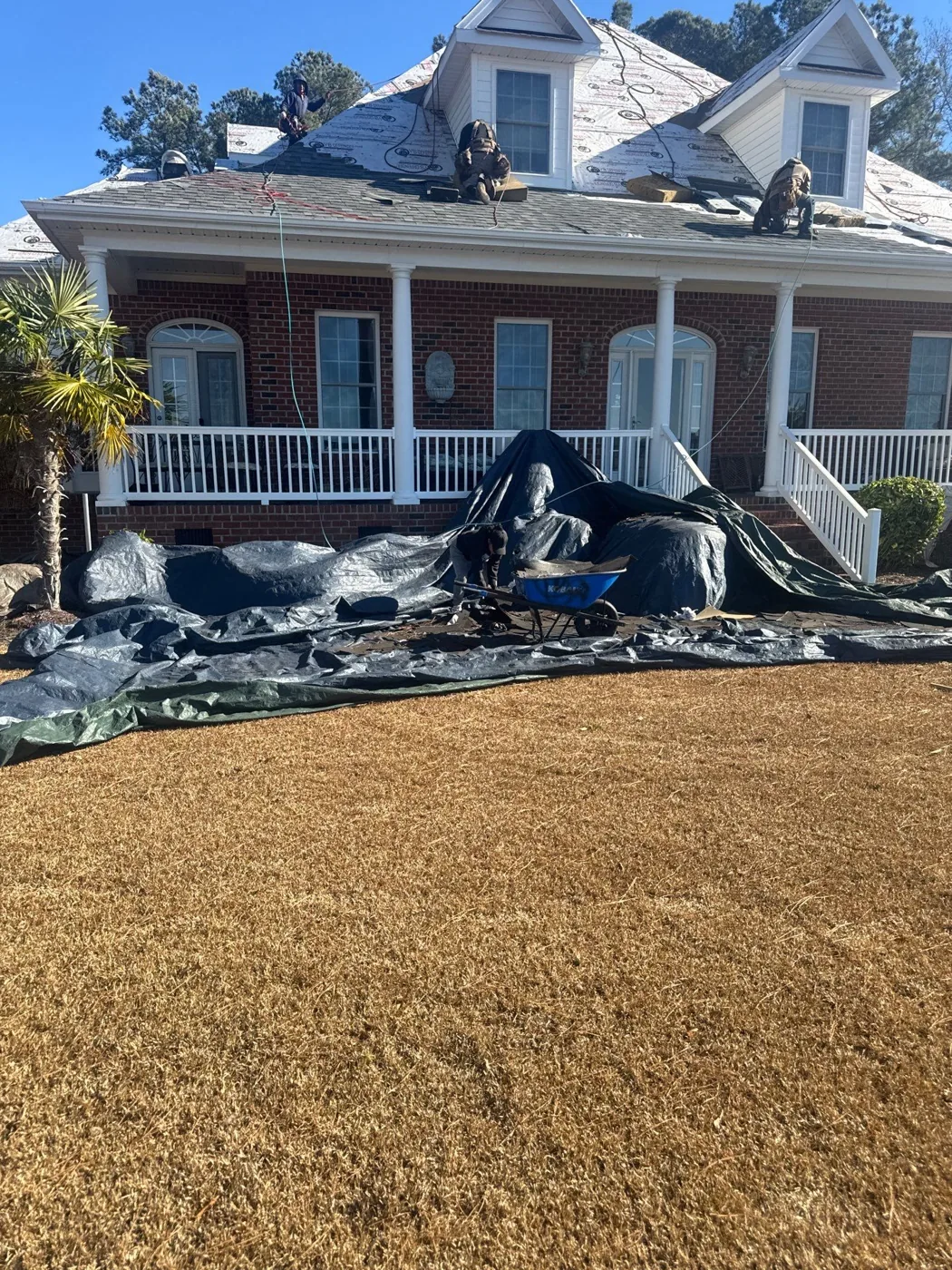
The federal residential clean energy credit that covered home solar is not available for expenditures made after December 31, 2025, according to the IRS. Any solar proposal that still leads with a 30% federal credit for a 2026 installation deserves a second look.
What solar is worth to you now depends heavily on who supplies your power. Much of Eastern North Carolina is served by Duke Energy or Dominion, but many towns buy power from their own municipal utility and many rural homes are on an electric cooperative, and each sets its own rules for how solar is credited on the bill. Ask your solar installer to show the math for your utility, and check your own tax situation with a professional.
None of that changes the roofing advice: if you go solar, put the panels on a roof that will last as long as they do.
A solar-ready roof is a roof built or replaced with future solar panels in mind: sound decking reinforced where panels will mount, self-adhering waterproofing at the mount locations, a clear plan for where the arrays go, conduit pre-routed from the roof to the electrical panel location, and materials and flashing details that work with solar mounting — so panels can be installed later without compromising the roof or its warranty.
If the roof has meaningfully less life left than the panels will be on it, yes. Solar panels are designed to stay on a roof for decades; if the roof under them wears out first, the array has to be removed and reinstalled to replace it, and that is a separate cost paid to the solar company on top of the new roof. An older asphalt shingle roof, a roof with recurring leaks, or a roof with storm damage should be replaced first. A roof inspection before you sign a solar contract settles it.
Standing seam metal is the strongest match: panels attach with clamps to the raised seams, so the roof is not penetrated, and a metal roof can outlast the panels. Architectural asphalt shingles are the most common and work well when every mount is properly flashed and the shingles are new enough to outlast the array. Low-slope commercial roofs take ballasted or attached racking that tilts panels to the best angle. Orientation and shading matter as much as material: south-facing slopes with little shade produce the most power.
Yes, and standing seam metal is one of the best roofs for solar. Clamp systems such as S-5! grip the seams with no holes through the roof. Exposed-fastener metal roofs can also carry solar, using mounts designed to attach through the panel with sealed fasteners, but they have more penetrations to detail and maintain. Our metal roof installation page compares the two systems.
Not when the mounts are installed and flashed correctly on a roof that was sound to begin with. Problems come from mounts that are not flashed into the roof, lag bolts that miss the rafters, panels installed on a roof that was already near the end of its life, and wiring run across the roof without protection. A solar-ready roof takes most of those risks off the table before the installer arrives.
We are the roofing contractor. Carolina Trophy Roofs partners with regional solar installers and coordinates directly with the installer you choose: we build the roof, document the mount zones, structural details and conduit routing, and hand that package to the installer so the panels go onto a roof that was prepared for them.
The federal residential clean energy credit for home solar does not apply to expenditures made after December 31, 2025, according to the IRS, and a roof replacement was never itself a qualifying solar expense. Utility programs and net metering rules in North Carolina depend on who supplies your power — Duke Energy, Dominion, an electric cooperative or a municipal utility — so ask your solar installer and your utility what applies to your address, and check with a tax professional.
Book a roof inspection and tell us you are planning solar. We look at the roof’s age and condition, the decking and framing, the slopes and shading where the arrays would go, and the route to the electrical panel, and tell you whether the roof is ready now or should be replaced first. Call (252) 302-2003.
Find out whether your roof is ready for panels now or should be replaced first — before you sign a solar contract. We serve Rocky Mount, Greenville, Wilson, Tarboro and the rest of Eastern North Carolina. More on roof replacement, roof inspections and all of our roofing services.