At the end you have a designation certificate for your address. IBHS describes a designation as written certification that a home or business has been built, renovated or re-roofed according to FORTIFIED standards. It runs five years from the date it was issued, and renews by re-inspection — IBHS notes that where the roof is in good condition and no modifications have been made, the inspection is likely the only step required. Renewal is available through the standard process and fees up to a year past expiration, and the expiration date is printed on the certificate. Put it in your calendar the week it arrives.
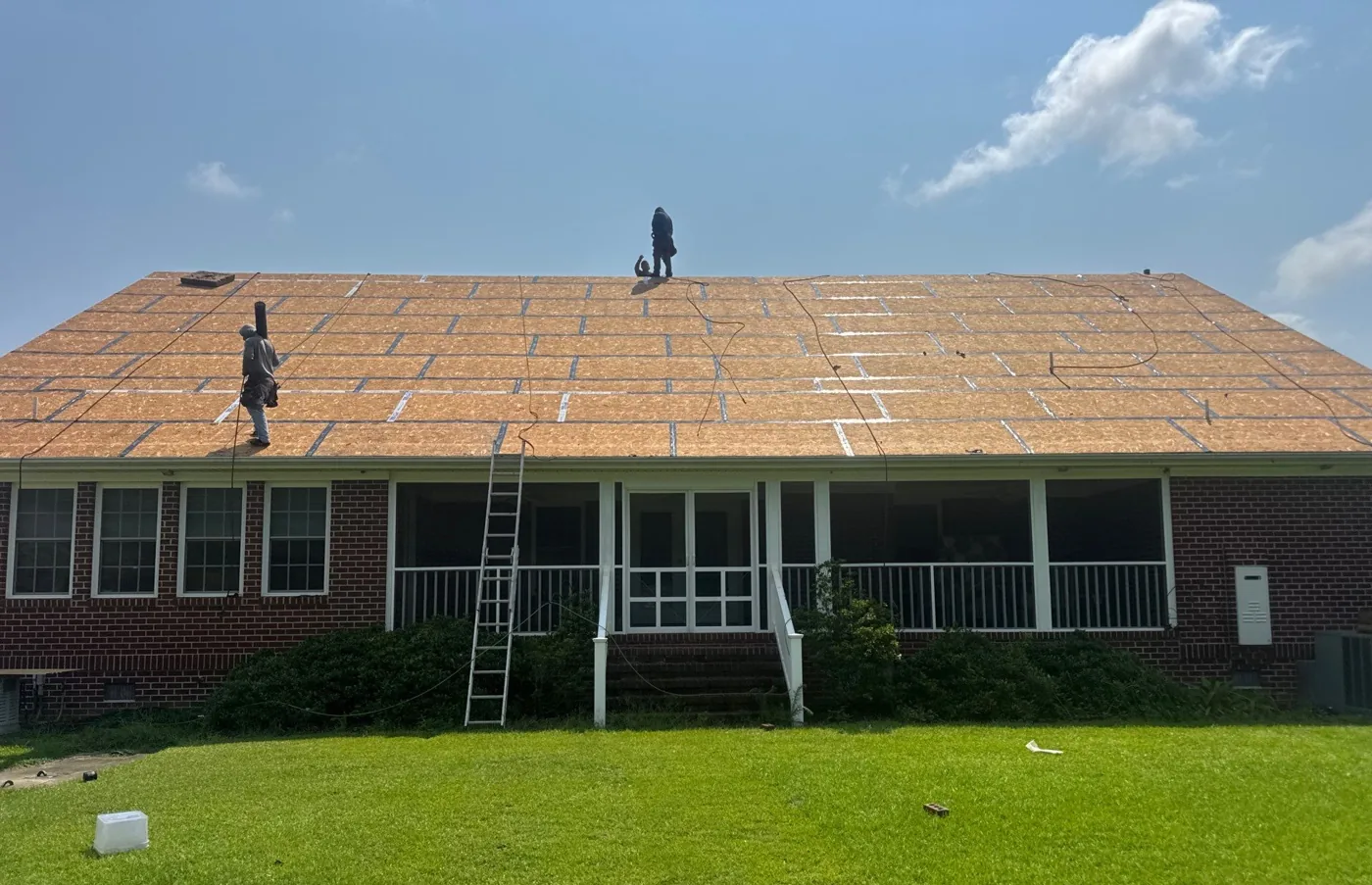
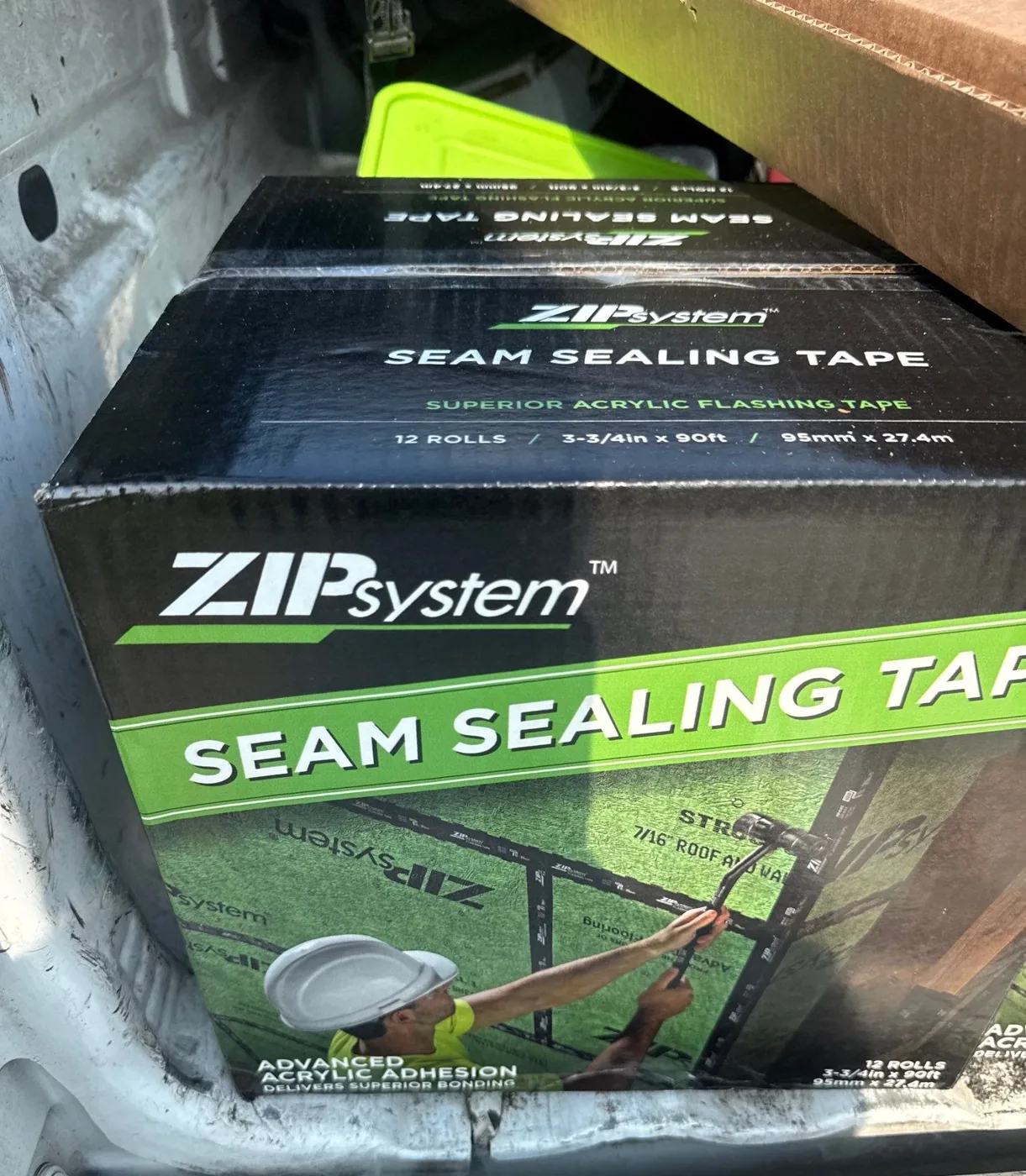
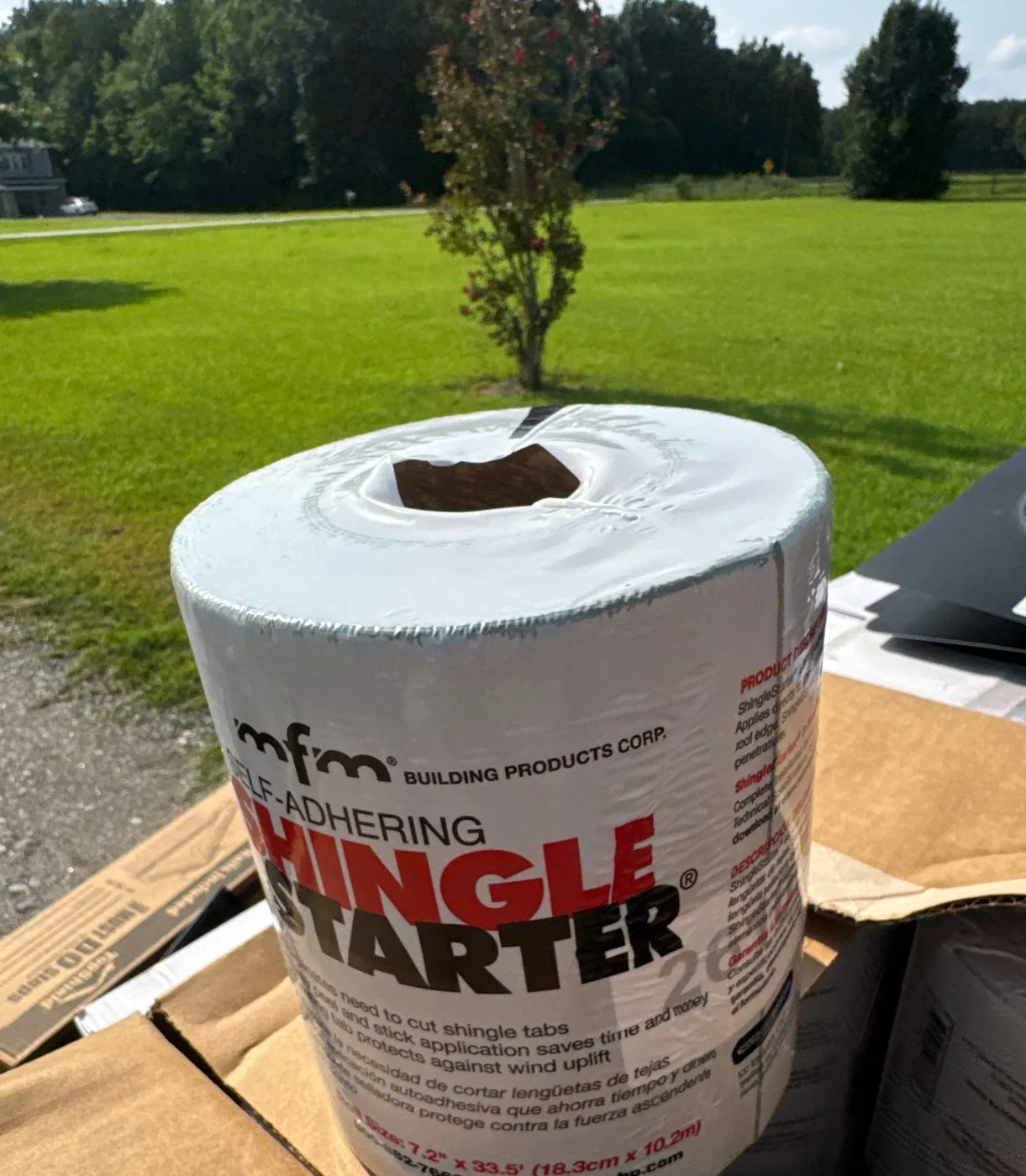
You should also end up with the build record: the photographs of everything now sealed under the shingles. Keep that with the certificate — it answers a question in year four that nobody can settle by looking at the roof. And keep the certificate somewhere you can find it when you sell. It is one of the few pieces of paper about a roof that a stranger can read and immediately understand.
Then there is the insurance question, which is why a lot of people look into FORTIFIED in the first place. We will not tell you what your policy does — no roofer should. What we can explain is the mechanism. Insurance carriers file their rates and their mitigation credit structures with the state, and it is in those filings that the conditions for any wind-mitigation credit are set out, along with what documentation proves it. Where such a credit applies, it attaches to the wind and hail portion of the premium, because that is the portion the roof has anything to do with. The IBHS designation certificate is the trigger: independent, third-party evidence that a specific address meets a specific published standard.
Whether that produces anything on your bill, and how much, depends on your carrier, your county and your policy form. So do it in the right order: before you commit to the work, take the question to your own insurance agent and ask for a written premium illustration with and without the designation. If a roofing company quotes you a savings figure instead, they are guessing at something they have no way to know. The North Carolina Department of Insurance regulates homeowners insurance in this state and is a reasonable second place to take a question your agent does not answer clearly.